Planning an Indian wedding means orchestrating multiple ceremonies, hundreds of guests, and dozens of vendors — often across several days. Without a clear timeline, even the most excited couples end up overwhelmed three weeks before the baraat arrives.
This 12-month Indian wedding planning checklist breaks everything into manageable monthly milestones, so you always know what to book, when to book it, and what can wait. Whether you are planning a grand palace wedding or an intimate home celebration, this timeline works as your master roadmap.
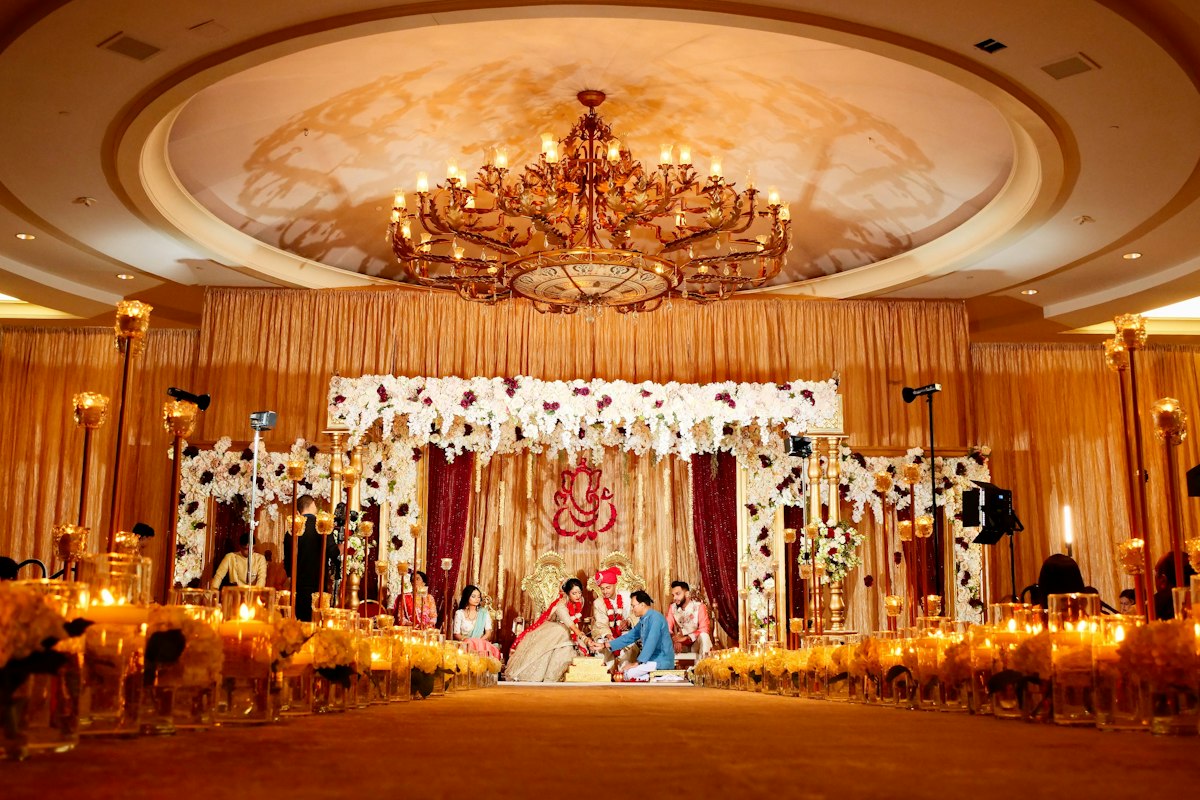
12 Months Before: Set the Foundation
The first month is about big decisions, not small details. Lock in the elements that everything else depends on — your budget, your guest count, and your dates.
- Finalize your total wedding budget and decide who is contributing what
- Draft a rough guest list (this drives venue size and catering costs)
- Consult family priests or astrologers for auspicious muhurat dates
- Decide between a hometown wedding and a destination wedding
- Shortlist and visit venues — premium Indian wedding venues book 10–14 months out
9–10 Months Before: Book Your Core Vendor Team
Your venue, photographer, decorator, and caterer are the four pillars of your wedding. The best ones are booked earliest, especially for peak wedding season (November–February in most of India).
- Sign your venue contract and pay the booking deposit
- Book your photography and videography team after reviewing full wedding albums
- Hire your wedding planner or decorator and share your Pinterest/Instagram inspiration
- Finalize the caterer and schedule a tasting session
- Book makeup artists — top bridal MUAs are reserved a year ahead in metro cities
6–8 Months Before: Outfits, Invitations and Logistics
Bridal lehengas and custom sherwanis need multiple fittings, and designer pieces can take 4–6 months to deliver. This is also when travel logistics for outstation guests begin.
- Order bridal and groom outfits for all ceremonies (haldi, mehndi, sangeet, wedding, reception)
- Design and order invitations — or finalize your digital invite suite
- Block hotel rooms for outstation guests and negotiate group rates
- Book the mehndi artist, choreographer, and sangeet entertainment
- Plan the honeymoon and check passport/visa validity
3–5 Months Before: Details That Make the Difference
With the big vendors locked, shift focus to the guest experience — the details people actually remember.
- Send out invitations (8–10 weeks before for domestic, 12+ weeks for international guests)
- Finalize the menu for every function with your caterer
- Buy wedding jewellery and coordinate it with each outfit
- Plan welcome hampers, favors and return gifts
- Schedule pre-wedding shoot and trial makeup sessions
The Final Month: Confirm, Delegate, Breathe
The last four weeks are for confirmation, not new decisions. Create a single master sheet with every vendor’s contact, arrival time, and payment status — then hand day-of coordination to your planner or a trusted family member so you can actually enjoy your own wedding.
- Reconfirm every vendor in writing with timings and venue access details
- Do final outfit fittings and break in your wedding footwear
- Prepare payment envelopes and a day-of emergency kit
- Share a minute-by-minute wedding day timeline with family and vendors
- Sleep, hydrate, and delegate everything you possibly can
Frequently Asked Questions
How many months do you need to plan an Indian wedding?
Most couples need 10–12 months to plan a full multi-event Indian wedding comfortably. A simpler or more intimate wedding can be planned in 4–6 months, but venues, photographers and makeup artists for peak season dates should be booked as early as possible.
What should be booked first when planning an Indian wedding?
Book your venue first, immediately after fixing your budget, guest count and muhurat dates. Everything else — decor, catering, photography — depends on the venue and date being confirmed.
What is the best month for an Indian wedding?
November to February is peak Indian wedding season thanks to pleasant weather and auspicious dates. However, off-season months like July–September can save 20–30% on venues and vendors.
Final Thoughts
A great wedding is not about doing everything — it is about doing the right things at the right time. Save this checklist, share it with your family, and if you would rather hand the spreadsheets to professionals, the Avsar Eventz team plans Indian weddings end-to-end so you can stay a guest at your own celebration.
Written by Mayuri Patel for avsareventz.com/ — your partner in modern Indian wedding planning.