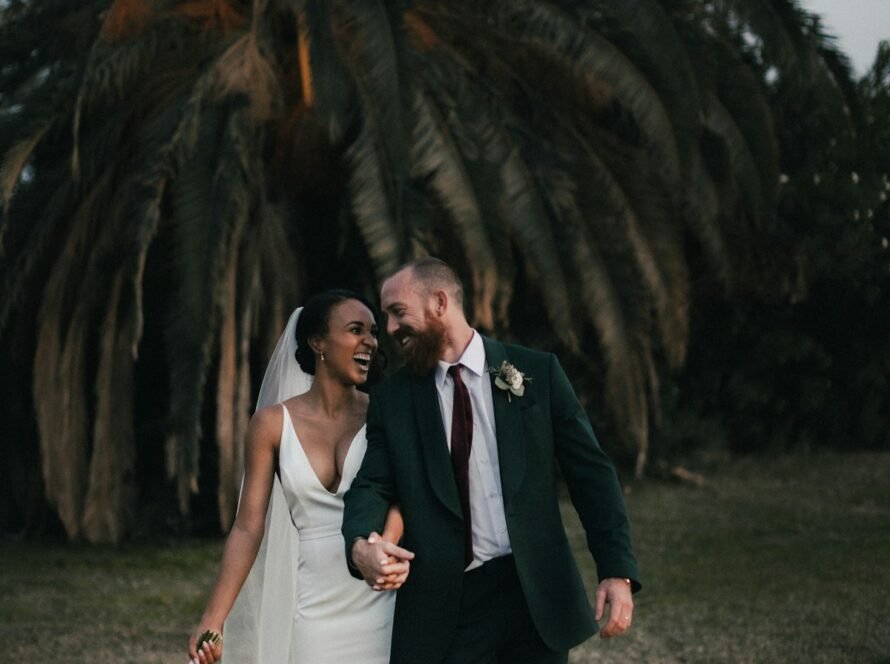
The 2026 bride is rewriting the bridal rulebook — keeping the craft and grandeur of the classic lehenga while demanding comfort, re-wearability and colours her mother’s generation would never have dared at the mandap.
Here are the lehenga trends defining 2026, plus practical shopping timelines and styling advice to make any trend work for your body, budget and ceremony.
The Colour Story: Beyond Bridal Red
Red is eternal, but it now shares the stage. Ivory and champagne lehengas with tonal embroidery dominate daytime pheras; mocha, rust and cinnamon suit autumn weddings; dusty rose and lilac rule receptions; and deep emerald or wine offer drama for evening ceremonies. Many brides keep tradition alive with a red dupatta or chunri over a pastel base — the best of both worlds and a photographer favourite.
Silhouettes and Cuts Trending Now
Comfort is the quiet headline of 2026.
- Lightweight lehengas under 8–10 kg — brides refuse to be immobilized anymore
- Pre-draped and stitched dupattas that survive eight hours of hugging
- Lehengas with pockets (yes, really — for lipstick and phone)
- Corset and structured blouses replacing heavily padded traditional cuts
- Cape sleeves and jacket lehengas for receptions and cocktail evenings
Embroidery and Fabric Directions
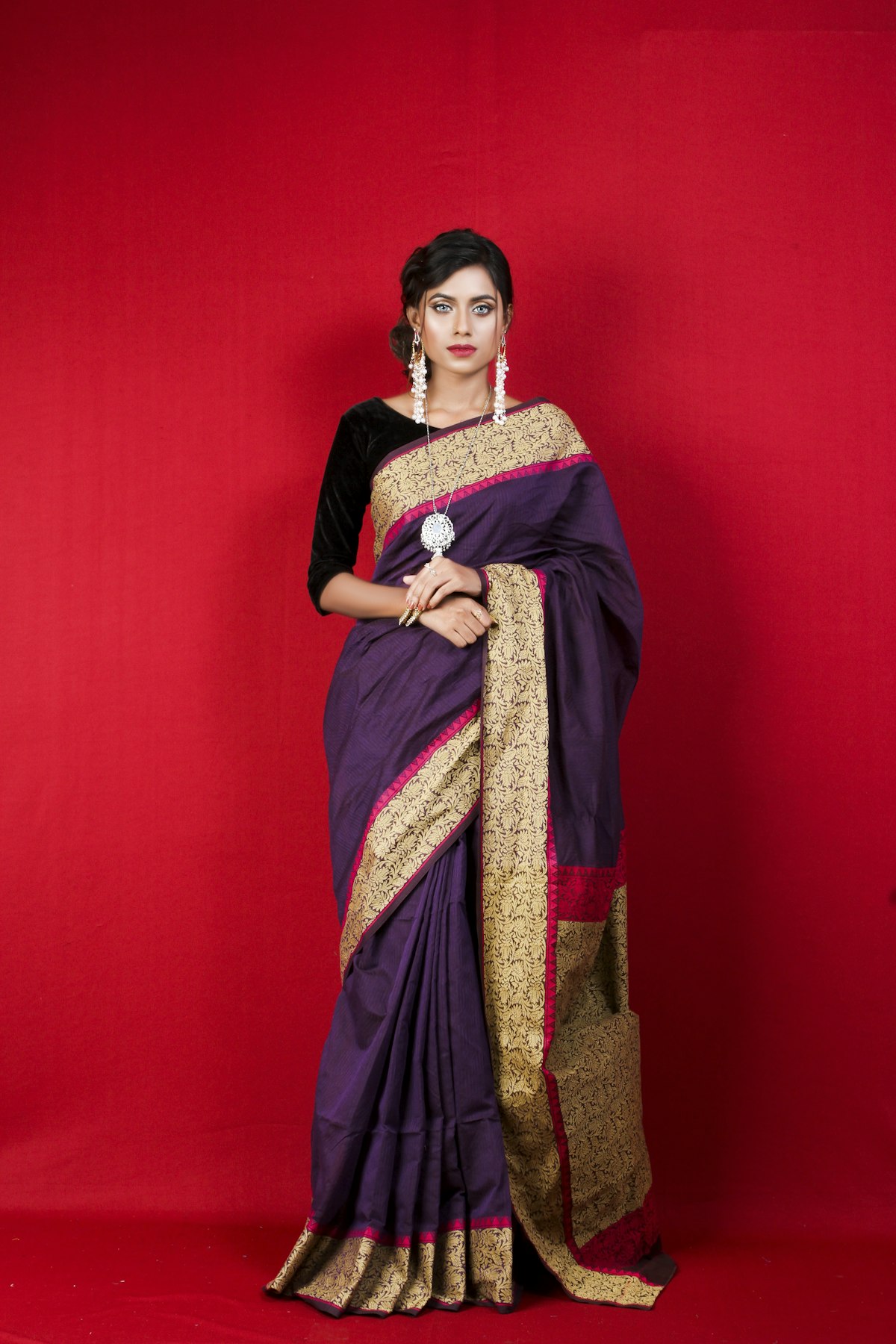
Tonal thread work, delicate pearl and moti detailing, and revived heritage crafts — real zardozi, gota patti, and banarasi brocade lehengas — are outshining heavy all-over sequins. Sheer organza dupattas that actually show the blouse work are everywhere, as are mother’s-saree-turned-lehenga conversions, the most emotional trend of the year.
The Smart Shopping Timeline
Start browsing 8–9 months before the wedding, order custom or designer pieces 5–6 months out (couture houses need 3–4 months plus fittings), schedule the first fitting at 8 weeks and the final one at 2 weeks. Buy the blouse slightly loose — wedding-month stress changes bodies unpredictably in both directions.
Budget Honestly: What Lehengas Really Cost
Beautiful ready-to-wear bridal lehengas start around ₹30,000–60,000, quality designer-store pieces run ₹1–3 lakh, and couture houses go from ₹4 lakh upward. Rental platforms now offer designer lehengas at 10–20% of retail — a genuinely smart option for sangeet and reception outfits worn once for four hours.
Frequently Asked Questions
What is the trending bridal lehenga colour for 2026?
Ivory, champagne and mocha tones lead 2026 bridal trends, often paired with a traditional red dupatta. Dusty rose, lilac and deep emerald are the top choices for receptions and evening functions.
How many months before the wedding should I buy my lehenga?
Order custom or designer lehengas 5–6 months before the wedding to allow for creation and two rounds of fittings. Ready-to-wear purchases need at least 6–8 weeks for alterations.
Is renting a bridal lehenga a good idea?
For sangeet, cocktail and reception outfits, renting designer pieces at 10–20% of retail cost is increasingly popular and practical. Most brides still prefer owning the main wedding-day lehenga for sentimental and heirloom value.
Final Thoughts
The best lehenga trend is the one you can dance, sit and breathe in — grandeur means little at an eight-hour wedding you cannot enjoy. For styling guidance and trusted designer connections, the Avsar Eventz team helps brides build complete ceremony-by-ceremony looks.
Written by Mayuri Patel for avsareventz.com/ — your partner in modern Indian wedding planning.