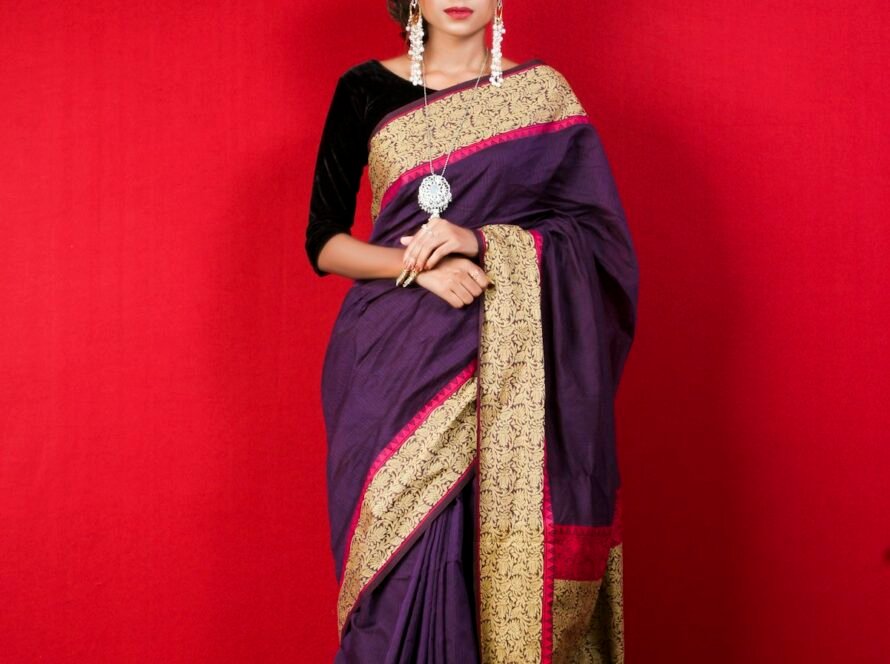
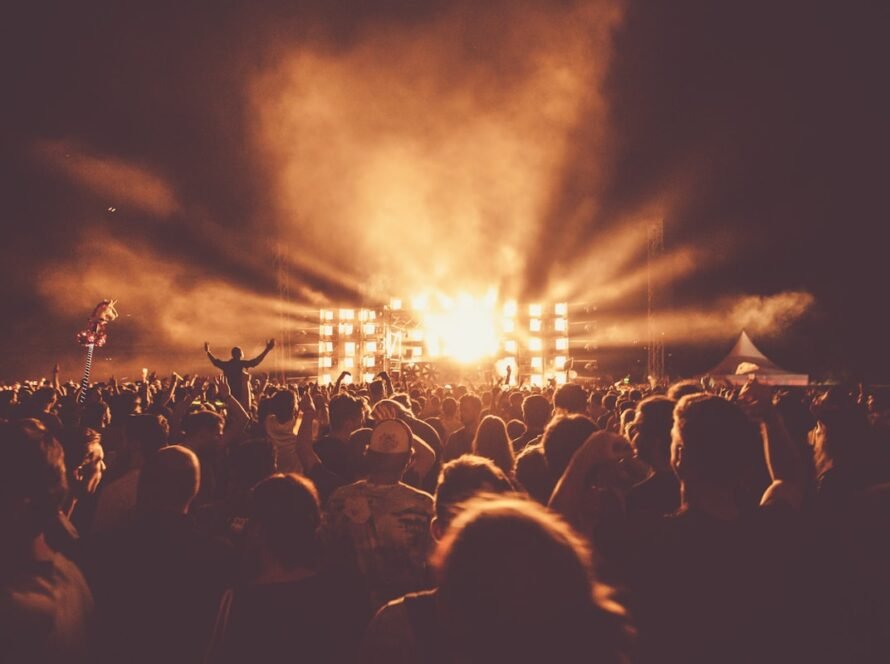
Long after the flowers wilt and the leftovers are distributed, your photographs are the wedding. That makes photography the highest-stakes vendor decision per rupee — and the one where trends genuinely change what you receive.
Here is what wedding photography looks like in 2026, and a practical framework for choosing a team you will thank for decades.
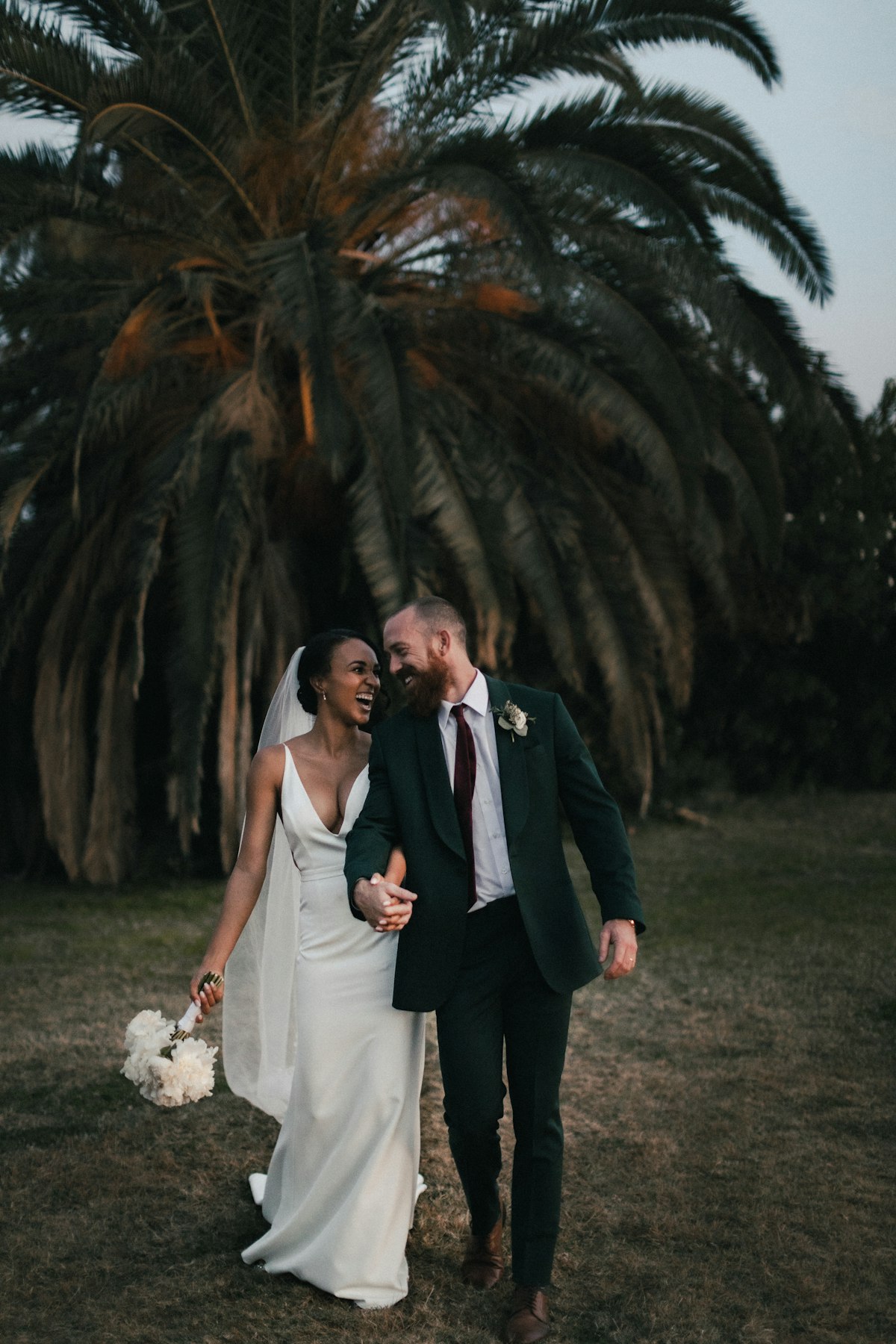
The Trends Shaping 2026 Albums
Style has shifted decisively from posed to lived-in.
- Documentary-first coverage: real moments over staged setups, editorial only in small doses
- Film-inspired editing — grain, muted tones and true-to-life colour over heavy HDR
- Blurred-motion and flash-candid shots that capture dance-floor energy
- Drone establishing shots and 360-degree baraat coverage as standard add-ons
- Same-day edits screened at the reception, and AI-assisted albums delivered in weeks not months
- Guest-contributed galleries via QR codes, merging everyone’s phones into one album
Decode the Styles Before You Shortlist
Know what you are asking for: ‘traditional’ means posed family coverage and ritual documentation; ‘candid’ means unposed real moments; ‘editorial’ means fashion-magazine styled portraits; and most strong teams blend all three. Look at full wedding galleries — not Instagram highlights — to see how a team handles bad light, chaos, and your specific type of venue.
The Questions That Actually Matter
When you meet photographers, skip the pleasantries and ask these.
- Who exactly shoots my wedding — you or an associate team? (Get names in the contract)
- How many full weddings have you shot at night / indoors / in my venue type?
- What is the delivery timeline for photos and film, in writing?
- How many edited images are included, and do we get all raw candids?
- What is the backup plan — second shooter, backup gear, data redundancy?
Budgets and What They Buy
In most Indian metros, a competent candid-plus-traditional team for a 2–3 day wedding runs ₹1.5–4 lakh; premium studios with cinematic film crews run ₹5–12 lakh; and top-tier names exceed that comfortably. Allocate 8–10% of your total budget here — it is the only line item that appreciates over time.
Help Your Team Help You
Share the full event timeline and a short must-have shot list (10–15 items, not 60), assign one family member to wrangle group photos, schedule couple portraits at golden hour, and give the photographer a meal and a seat — a fed photographer at hour nine shoots noticeably better than a starving one.
Frequently Asked Questions
How much does wedding photography cost in India?
A quality candid-plus-traditional photography team for a multi-day Indian wedding typically costs ₹1.5–4 lakh, with premium cinematic studios charging ₹5–12 lakh or more. Budget 8–10% of your total wedding spend for photography and film.
What is the difference between candid and traditional wedding photography?
Traditional photography focuses on posed portraits, family groups and complete ritual documentation, while candid photography captures unposed, real moments as they happen. Most modern weddings hire a team that delivers both.
When should I book my wedding photographer?
Book 8–12 months before your wedding. Sought-after photographers fill peak-season dates (November–February) a year in advance, and good teams rarely have last-minute availability.
Final Thoughts
Choose the photographer whose full galleries make strangers’ weddings feel moving — that skill is what your album inherits. Avsar Eventz partners with vetted photography teams across styles and budgets and manages their day-of coordination end to end.
Written by Mayuri Patel for avsareventz.com/ — your partner in modern Indian wedding planning.